Origins
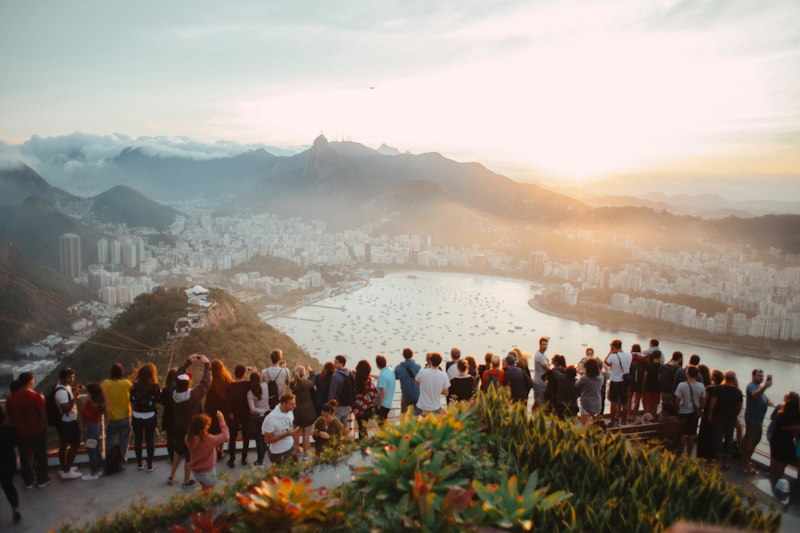
The project began in 2018 when a group of conservation biologists and regional historians recognized that ecologically significant sites were becoming degraded while tourist traffic concentrated on a handful of accessible locations.
We proposed an alternative model where access to protected areas would be controlled through small-group expeditions led by people who understood the ecology and could communicate why these landscapes matter.
Initial routes were tested with research groups and conservation volunteers. The model proved effective at distributing tourism impact while generating support for habitat protection initiatives.

Guide Training
Every guide completes a two-year training program that combines natural history, regional anthropology, and interpretation techniques. Many already hold qualifications in ecology, botany, or marine biology.
Training includes extended time with local knowledge holders — fishermen who read weather patterns, farmers who understand indigenous plant succession, elders who maintain oral histories of land use changes.
This isn't tourism guiding as storytelling entertainment. It's education grounded in actual expertise.
Community Partnerships
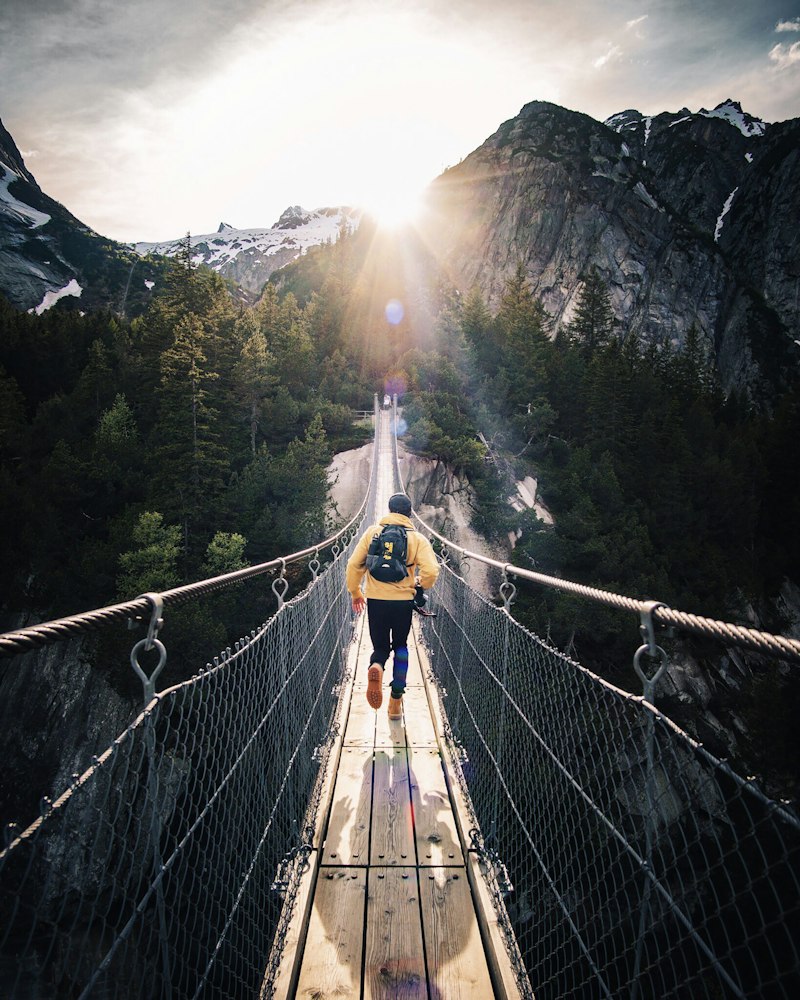
We don't operate independently. Every route exists through formal agreements with landowners, conservation authorities, and community organizations.
Coastal village routes generate income for small museums, craft cooperatives, and home-stay accommodations that wouldn't survive on local patronage alone. Forest routes fund restoration projects that replant indigenous species in degraded areas.
Economic relationships are structured so tourism supports conservation objectives rather than competing with them.
Conservation Integration
We maintain formal relationships with three regional conservation NGOs and contribute funding to specific restoration projects. Participants on forest expeditions often visit active restoration sites where indigenous forest is being re-established in areas degraded by historical plantation forestry.
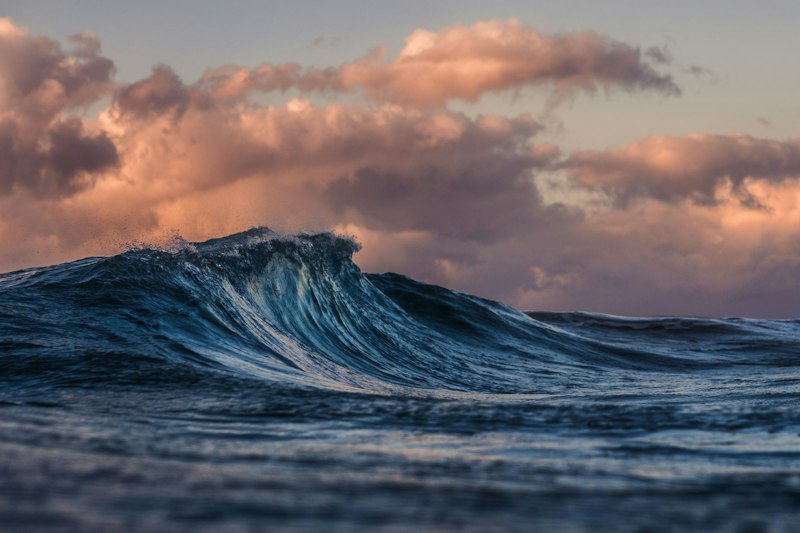
Marine routes include time with researchers monitoring whale populations and coastal fish stocks. Participants observe actual conservation work rather than curated interpretive displays.
Tourism becomes a mechanism for supporting scientific work that would otherwise lack public funding.